A front yard flower bed can change the entire look of a home without requiring a major landscape makeover. The right combination of flowers, greenery, edging, and simple shapes can make an entrance feel more polished and inviting.
Whether the space is wide and open or narrow beside a walkway, thoughtful planting can add color and personality while keeping the yard easy to maintain.
Create a Simple Border
A clearly defined flower bed can instantly make a front yard look more organized. Consider placing a bed along the front of the house, beside a walkway, or around an existing tree. Curved edges can create a softer appearance, while straight lines tend to give the landscape a cleaner and more structured look.
Layer Plants by Height
Plant height is one of the easiest ways to make a flower bed look fuller. Place shorter flowers toward the front, medium-height plants in the middle, and taller varieties toward the back. This arrangement allows more of the plants to remain visible rather than having smaller flowers hidden behind taller growth.
Layering can also add depth to a narrow space. Even a relatively small flower bed can look thoughtfully designed when each plant has a clear place within the arrangement.
Choose a Coordinated Color Scheme
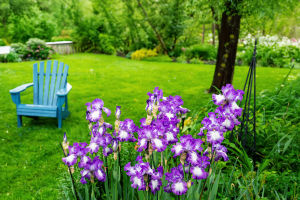
Too many unrelated colors can make a flower bed feel busy. Instead, select two or three main colors and use different shades to create variety. White flowers can provide contrast, while purple, pink, yellow, blue, or red blooms can bring stronger color into the design.
Green foliage is equally important. Leaves provide a visual break between flowers and help connect different varieties. A simple color scheme often creates a more polished appearance than trying to include every available flower color.
Frame the Walkway
Flower beds beside a walkway can guide attention toward the front entrance. Low-growing flowers are particularly useful here because they add color without making the path feel crowded.
Try repeating a few of the same plants along both sides of the walkway. Repetition creates a sense of consistency and helps the entrance feel connected to the rest of the landscape. Leave enough room around the walkway so plants have space to grow without becoming an obstacle.
Add Seasonal Variety
A front yard can look different throughout the year when plants are selected for different blooming periods. Combining early-season flowers with summer and later-season varieties can help keep color present for longer.
Evergreen foliage can also provide structure when fewer flowers are in bloom. Seasonal plants can then be used to add fresh color as the year progresses. This approach reduces the chance of having a flower bed that looks attractive for only a few weeks.
Use Foliage for Texture
Flowers may get the most attention, but foliage can have an equally important role. Plants with large leaves, narrow leaves, soft textures, or interesting shapes can create contrast between flowering varieties.
Different textures also help prevent a flower bed from looking flat. Combining foliage with colorful blooms creates a more balanced appearance and gives the landscape something interesting to look at even between flowering periods.
Keep Maintenance in Mind
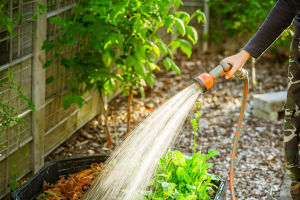
A beautiful flower bed should also be manageable. Before planting, consider how much sunlight the area receives, how much room plants need as they grow, and how often watering may be necessary.
Grouping plants with similar growing needs can make routine care easier. It is also helpful to avoid overcrowding the bed at planting time. Plants that look small initially may need considerably more room as they mature.
Add a Clean Finishing Touch
Edging can give a flower bed a finished appearance while creating a clear separation between planting areas and the lawn. Natural stone, bricks, or simple landscape edging can work depending on the style of the home.
A layer of suitable mulch can also help the bed look neat while covering exposed soil. Choose a finish that complements the house and existing landscape rather than competing with the flowers.
Upgrading curb appeal does not always require an elaborate landscape design. A well-shaped flower bed, carefully layered plants, coordinated colors, attractive foliage, and practical spacing can make a front yard feel noticeably more welcoming. Start with the layout and growing conditions, then build the design around plants that fit the space. The result can be a flower bed that looks beautiful while remaining enjoyable to care for throughout the seasons.