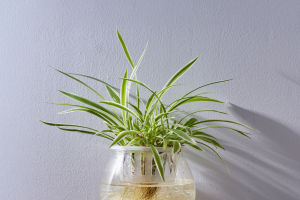
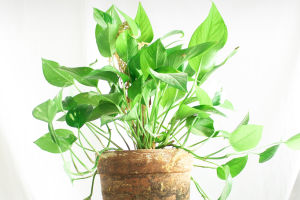
Hi, Readers! Sometimes a plant looks mostly fine at first glance, then little clues start showing up, and it is clearly asking for help.
A few yellow leaves, limp stems, dry tips, or growth that seems to pause can all point to a deeper issue. The good news is that these signs are often easy to read once you know what to look for.
Paying attention early can help you fix the problem before your plant declines any further.
Yellowing Leaves
Yellow leaves are one of the most common warning signs. They can mean your plant is getting too much water, especially if the soil stays wet for long stretches. In some cases, yellowing also happens when a plant is not getting enough light or when nutrients are lacking.
If only an older leaf or two is turning yellow now and then, that can be part of the plant’s normal cycle. But when many leaves change color at once, it is time to check the roots, soil moisture, and light conditions more closely.
Brown Leaf Tips and Edges
Brown tips or crispy edges usually suggest dryness or stress. That can come from underwatering, very dry indoor air, or a buildup of minerals from tap water or fertilizer.
Some plants are more sensitive than others, so even a small shift in watering habits can show up at the leaf edges first. If this keeps happening, it helps to review how evenly you water, whether the container drains well, and whether the plant may prefer filtered water.
Drooping Leaves or Stems
Drooping can look dramatic, and it often gets attention fast. A thirsty plant may wilt because it has lost too much moisture, but overwatered plants can droop too when roots are struggling. That is why touching the soil matters more than guessing. If the top layer feels dry, the plant may need water. If it feels soggy and heavy, the roots may be stressed from too much moisture. Sudden temperature changes and drafts can also make a plant slump.
Slow or Stalled Growth
When a plant stops putting out new leaves or seems stuck, it may not be getting what it needs to grow. Low light is a frequent reason, especially for plants kept far from windows. A cramped root system can also slow things down if the plant has outgrown its container.
In other cases, the plant may simply need nutrients during an active growing period. Growth naturally changes with the seasons, so the key is noticing whether the slowdown seems unusual for that specific plant.
Leaf Drop
A plant that starts dropping leaves is reacting to stress. This can happen after a move to a new spot, a change in temperature, inconsistent watering, or a sudden shift in light. Some plants are especially sensitive to environmental changes and respond quickly by shedding leaves. If this happens, try not to make too many changes at once. Stabilizing the plant’s routine often helps more than constantly moving it around.
Spots, Fading, or Unusual Texture
Leaves can reveal a lot through their surface. Pale color may mean the light is too intense or too weak, depending on the plant. Small spots, mushy patches, or unusual texture can point to moisture problems, stress, or disease. Dusty leaves can also interfere with how a plant functions and make it harder to notice real issues. Looking closely at both sides of the leaves can help you catch problems early and respond before they spread.
Roots and Soil Trouble
Sometimes the clearest signs are below the surface. Soil that stays wet too long, smells unpleasant, or pulls away completely from the container can indicate watering problems. Roots growing out of drainage holes may mean the plant is rootbound and ready for a bigger container.
If you gently slide the plant from its container and see circling roots with very little soil left, that is another clue. Healthy roots are usually firm and light in color, while damaged roots may look dark and feel soft.
Plants rarely decline without leaving hints along the way. If you slow down and notice yellow leaves, drooping stems, brown edges, leaf drop, or stalled growth, you can usually trace the issue back to water, light, roots, or environmental stress. Take it one clue at a time, make small adjustments, and give your plant a little patience. It is often already telling you exactly what it needs.