Hi, Readers! When people talk about performance in sport or physical skill, they often focus on force.
That sounds intuitive, because strong output looks impressive and easy to notice. But in practice, footwork often matters more.
The reason is simple: movement sets up everything else. Good footwork helps a person arrive in the right place, stay balanced, react faster, and use energy more efficiently. Force without positioning is often wasted, while well-timed movement can make even a modest action far more effective.
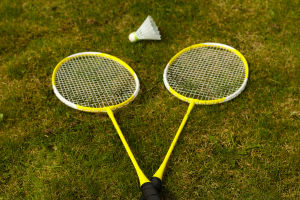
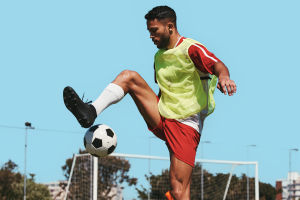
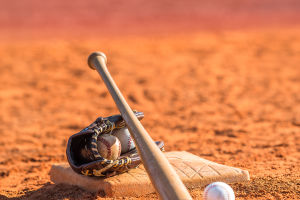
Footwork is the general term for the way the feet are used to support movement, balance, and positioning. It appears across many activities, from racket sports and boxing to dancing and field games. Although the exact patterns differ, the basic function is similar.
Footwork allows a person to control distance, angle, rhythm, and body alignment. These factors shape what actions are possible in the next moment. In other words, the feet do not just move the body. They prepare the body to perform well.
Position Before Output
A strong action usually depends on being in the right place first. If a player reaches the ball late, or if a boxer is too close or too far away, force becomes much less useful. Good footwork solves this problem by improving positioning. Small adjustments in the feet can create better spacing, cleaner angles, and more stable posture.
That means the rest of the body can work more effectively. Even a technically sound movement often fails when the lower body arrives too late or with poor alignment. This is why skilled performers often look effortless.
They are not necessarily using more force. They are simply getting into better positions earlier. Once positioning is correct, the action becomes smoother and more accurate. This can make the result seem powerful, even when the real advantage came from timing and placement.
Balance Changes Everything
Balance is one of the clearest reasons footwork matters so much. The feet form the base of support for the body. If that base is unstable, it becomes harder to change direction, control motion, or recover after an action. Strong footwork keeps the center of mass under control and helps the body remain ready for the next move.
This matters because physical performance is rarely just one isolated action. Most situations require a sequence: move, react, adjust, and move again. If force is used from an unstable base, recovery is slower and the next action is weaker. By contrast, good footwork supports continuous control. It allows a person to stay organized rather than overcommitted.
Speed Is Often About the Feet
People often assume speed comes mainly from raw physical power, but practical speed usually begins with efficient movement. Quick feet reduce hesitation and shorten the time needed to reposition. They also improve reaction because the body is already prepared to shift weight and change direction.
In many settings, being first to the right location matters more than having the strongest output once there. Footwork also improves economy. Large, unnecessary movements waste time and energy. Efficient steps conserve effort and make performance more sustainable.
Over a longer session or match, this difference becomes even more important. The person with better movement often maintains quality longer, while the person relying mainly on force may tire sooner.
Timing, Angles, and Control
Another major advantage of footwork is control over timing and angles. A slight step can open a better line, avoid pressure, or create space for a cleaner action. This is true in both attack and defense. The feet help determine whether a movement happens too early, too late, or exactly when it should.
Angles are especially important because they change the quality of an action without requiring more force. A better angle can improve accuracy, reduce resistance, and increase efficiency. This is one reason experienced performers value movement so highly. They know that the right step at the right moment can change the whole outcome.
In the end, footwork matters more than force because it supports the conditions that make force useful. It improves position, protects balance, increases practical speed, and sharpens timing. Raw output still has value, of course, but it works best when guided by smart movement.
So next time you practice any physical skill, pay close attention to your feet. They often decide the result before the main action even begins.