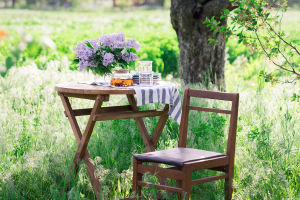
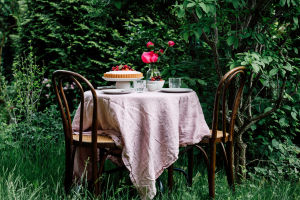
A tea table quietly arranged near a window, soft light reflecting off porcelain cups, and the gentle sound of conversation—tea gatherings are built on atmosphere as much as taste.
What seems simple on the surface is actually a careful balance of preparation, timing, and thoughtful details that shape the entire experience. By mastering these subtle elements, a host transforms a routine beverage service into a refined cultural ritual that honors both the tea and the guest.
Choosing the Right Tea Selection
Tea is the foundation of any gathering, and variety helps create depth in the experience. Offering different types allows guests to explore flavors and find their preference.
Common selections include:
• Light floral teas for a delicate profile
• Rich black teas for deeper flavor
• Herbal blends for caffeine-free options
• Green tea for a fresh, balanced taste
Each type should be brewed at the correct temperature to preserve its natural character.
Essential Table Setup
Presentation plays a central role in setting the tone. A well-arranged table creates a sense of calm and order before the tea is even served.
Key elements include:
• A clean tablecloth with soft tones
• Coordinated cups and saucers
• A central teapot for shared service
• Small plates for snacks and sweets
Spacing is important—items should feel accessible without cluttering the surface.
Serving Tools and Accessories
The right tools make serving smoother and more elegant. Each item has a specific role in maintaining flow and temperature.
1. Teapot with strainer
Helps control brewing strength and prevents loose leaves from entering cups.
2. Small serving tray
Allows organized movement between kitchen and table.
3. Sugar and milk set
Provides optional customization for guests.
4. Tongs or small forks
Useful for handling delicate snacks without mess.
These tools support both practicality and presentation.
Food Pairing Selection
Food served at tea gatherings should complement the drink without overpowering it. Light, structured bites work best.
Popular choices include:
• Small sandwiches with mild fillings
• Butter cookies or shortbread
• Fruit-based pastries
• Light sponge cakes
• Fresh fruit slices
Portion size matters—items should be easy to handle and designed for small bites.
Brewing Technique Matters
Proper brewing is essential for achieving balanced flavor. Each tea type requires specific attention to temperature and steeping time.
General guidelines:
• Avoid over-steeping to prevent bitterness
• Pre-warm cups to maintain temperature
• Use filtered water for cleaner taste
• Measure tea leaves carefully for consistency
Small adjustments in brewing can significantly change the final result.
Atmosphere and Arrangement
The environment influences how guests experience the tea. A calm and well-structured setting enhances both comfort and conversation.
Consider:
• Natural lighting or soft indoor lighting
• Minimal background noise
• Comfortable seating arrangement
• Subtle decorative elements like flowers or linen
The goal is to create a space where attention naturally slows down.
Timing and Flow of Service
A well-paced tea gathering feels effortless. Service should follow a gentle rhythm rather than strict scheduling.
1. Initial welcome
Offer a light introduction tea to set the tone.
2. Main serving phase
Gradually introduce food and additional tea varieties.
3. Relaxation period
Allow time for conversation without interruption.
4. Closing refreshment
End with a lighter tea or herbal blend.
This flow keeps the experience balanced and comfortable.
Common Mistakes to Avoid
Even simple tea gatherings can lose their charm if certain details are overlooked.
1. Overcrowding the table
Too many items reduce visual clarity and comfort.
2. Uneven tea strength
Inconsistent brewing affects guest experience.
3. Overly complex food choices
Heavy or messy items disrupt the elegance of the setting.
4. Ignoring temperature control
Cold tea or poorly maintained heat reduces quality.
Creating a Memorable Experience
A successful tea gathering is not defined by luxury, but by attention to detail. Small choices—cup placement, tea strength, food pairing—work together to create a unified experience.
When everything is arranged thoughtfully, the atmosphere naturally encourages relaxation and conversation. Guests leave not just remembering what they drank, but how the moment felt.
A tea party is ultimately about balance: between flavor and simplicity, structure and ease, presence and calm.