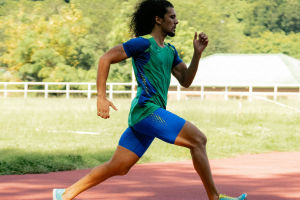
Think about the last time you watched someone pull up suddenly during a game, grabbing their leg in pain. More often than not, that sharp twinge comes from tight, overworked muscles.
Flexibility doesn't just make you look graceful—it plays a direct role in keeping your body safe from injury.
Building a more flexible body helps you move with ease, react quickly, and avoid painful setbacks that can interrupt training or everyday activities.
Why Flexibility Matters
Flexibility is your muscles' ability to stretch and your joints' ability to move through their full range of motion. When your muscles are supple, they can handle the twists, turns, and sudden changes that daily life or sports demand. Without it, your body becomes stiff, movements feel restricted, and the risk of pulling or straining something rises. A flexible body isn't just about performance—it's about protection and longevity.
The Link Between Tight Muscles and Injuries
Tight muscles are like rubber bands pulled too far—they're more likely to snap. When muscles are shortened from lack of stretching or long hours of sitting, they can't respond smoothly to sudden movement. For example, sprinting with tight hamstrings increases the risk of strain. Flexibility training lengthens muscle fibers, allowing them to absorb impact and recover faster. This reduces the chance of injuries like sprains, tears, or painful knots in the muscles.
How Flexibility Reduces Risk
Here are three key ways flexibility helps prevent injuries:
1. Balanced muscle use – Stretching ensures no single muscle group carries too much strain. This balance keeps joints stable and movements smooth.
2. Greater range of motion – Flexible joints can move freely without forcing surrounding muscles to overcompensate, reducing stress and strain.
3. Faster recovery – Supple muscles get better blood flow, which speeds up healing after intense activity.
These small changes add up. A body that moves easily is less likely to suffer sudden pulls or painful tweaks.
Flexibility in Everyday Life
You don't need to be an athlete to feel the benefits. Think about reaching for something on a high shelf, bending to tie your shoes, or twisting to look over your shoulder while driving. If your body is stiff, those movements can feel awkward or even risky. Increased flexibility makes daily activities smoother and safer. It reduces the strain that comes from poor posture or repetitive motions at work.
Simple Routines That Help
The good news is, building flexibility doesn't require hours in a stretching studio. Short, consistent routines can make a huge difference:
1. Dynamic warm-ups – Before exercise, use moving stretches like leg swings or arm circles to prepare muscles.
2. Static stretches – After workouts, hold stretches for 20–30 seconds to lengthen muscles while they're warm.
3. Target tight spots – Focus on areas most prone to stiffness, like hamstrings, calves, hips, and shoulders.
Even 10 minutes a day can loosen your body and protect it from stress and potential injuries.
Beyond the Physical Benefits
There's also a mental side to flexibility training. Taking time to stretch slows you down, eases tension, and encourages awareness of how your body feels. Many people notice that stretching after exercise doesn't just help their muscles—it helps their mind relax too. That calmness can reduce stress, which often contributes to tightness in the first place.
Consistency Is the Secret
One long stretch session won't magically prevent injuries. The real magic comes from consistency. Just like brushing your teeth, stretching works best when it's a habit. Over time, you'll notice your movements becoming easier, your posture improving, and your risk of sudden injuries dropping. It's not about extreme flexibility—it's about being flexible enough to move comfortably and safely.
The Takeaway
Injury prevention isn't only about strength or endurance. Flexibility is the quiet partner that keeps everything working smoothly. By giving your muscles the space to move, you protect yourself from strains, sprains, and setbacks. Whether you're chasing a ball, carrying groceries, or simply reaching down to pet your dog, flexibility makes life easier—and safer.