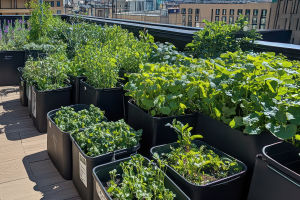
Ever noticed how some gardens look lush even during dry spells while others struggle despite frequent watering? The difference often comes down to how water is delivered.
Traditional watering methods can be wasteful, leaving plants under-hydrated or over-watered. Smart irrigation systems are changing the game, helping gardens and farms thrive while conserving water.
What Smart Irrigation Really Means
Smart irrigation systems use technology to provide the right amount of water at the right time. Sensors monitor soil moisture, temperature, and even weather conditions. These systems can automatically adjust watering schedules to meet a plant's needs. That means plants receive water only when they truly need it, reducing waste and promoting healthier growth.
Types of Smart Irrigation Systems
- Drip irrigation with sensors: Water drips directly to the plant roots, and sensors prevent overwatering. This is especially effective for potted plants and small garden beds.
- Weather-based irrigation controllers: These systems adjust watering schedules based on rainfall and temperature. If it's rained recently, the system delays watering automatically.
- Soil moisture sensors: Planted in the soil, these sensors detect moisture levels and trigger watering only when the soil gets too dry. This ensures plants are never stressed from drought or excess water.
Benefits for Plants and the Environment
Smart irrigation improves plant health in several ways. By delivering consistent and appropriate water levels, it prevents root rot and nutrient leaching. Plants grow stronger, flower more, and produce better fruit or foliage. For the environment, reducing water waste is crucial, especially in areas prone to drought. Less water usage means lower energy costs and less strain on local water supplies.
Easy Integration for Any Space
Whether you have a small balcony garden or a larger yard, smart irrigation systems can fit your setup. Compact drip systems are perfect for pots and raised beds, while more advanced controllers can handle multiple garden zones. Many systems are smartphone-compatible, letting you monitor and control watering from anywhere.
Cost Considerations and Long-Term Savings
Although initial setup might seem pricey, smart irrigation systems often save money over time. By using water efficiently, homeowners and gardeners pay less on water bills. Healthier plants also reduce the need for replacements, fertilizers, and pest treatments. In the long run, these systems are both environmentally and economically smart.
Practical Tips for Implementation
- Start small: Begin with one garden section or a few pots to test the system.
- Check compatibility: Ensure sensors and controllers match your plants' needs.
- Maintain regularly: Clean sensors and drip lines to prevent blockages and ensure accurate readings.
The Future of Irrigation
As technology advances, irrigation systems will become even smarter. Integration with AI and machine learning could predict plant water needs days in advance, and automated systems may connect with weather forecasts in real-time. This means gardens of the future could essentially manage themselves, maximizing growth and efficiency while using minimal resources.
Switching to smart irrigation is more than a convenience; it's a step toward sustainable gardening. By understanding your plants' needs and using technology to meet them, you can enjoy a thriving garden without wasting water. It's a win-win for plants, your wallet, and the planet.