Watching seabirds slice through the waves can feel like witnessing nature's perfect torpedoes. Some species seem almost engineered for the plunge, hitting the water with astonishing speed and precision.
Their dives aren't just for show—they're vital hunting strategies that allow them to catch fish and other prey that escape slower predators.
Body Design for Speed
The fastest diving seabirds are shaped to reduce drag and maximize momentum. Streamlined bodies help minimize resistance as they cut through both air and water.
Example species: The gannet has a long, pointed beak and smooth plumage, which helps it reach speeds of up to 100 km/h during a dive. Observing them from coastal cliffs shows how every part of their body contributes to efficiency.
Actionable insight: Bird watchers can spot these features by noting the angle of the head and body before the dive. The sharper the angle, the more efficient the plunge.
Wing Positioning and Adaptation
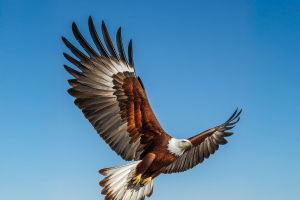
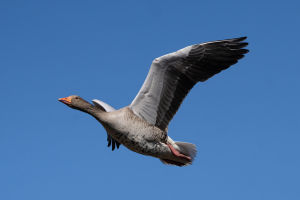
Unlike soaring birds, diving seabirds adjust their wings to streamline midair. They fold wings tightly against their bodies just before hitting the water, reducing splash and conserving energy.
Key observation: Seabirds like the cormorant extend their wings while gliding but tuck them in during dives, demonstrating a dynamic shift in posture.
Tip for enthusiasts: Photographing these wing movements can reveal the precision of their adaptations and help identify which species dive fastest.
Pre-Dive Tactics
Before plunging, seabirds carefully assess their target. They hover or circle above the water, gauging fish schools and water conditions. This scouting ensures that the dive is both accurate and energy-efficient.
Example: A gannet might pause mid-air, calculating the trajectory to intercept a moving fish. Even a minor miscalculation can lead to wasted energy or missed prey.
Practical note: Observers can learn to read these behaviors, predicting the dive by watching for hovering patterns and wing adjustments.
Impact with the Water
The entry into water is a delicate science. Diving seabirds strike at precise angles to cut through the surface smoothly. Their beaks act like the prow of a ship, breaking tension, while bodies follow through in a streamlined motion.
Notable point: Hitting water at too shallow an angle can cause them to bounce off the surface, while too steep can risk injury. Timing and posture are crucial.
Actionable observation: Watching multiple dives in sequence highlights how birds adjust their angle with each plunge depending on prey movement and wave conditions.
Recovery and Underwater Chase
After entering water, seabirds don't just stop—they use webbed feet and flippers to maneuver and capture prey. The dive doesn't end at impact; it transitions into a swift underwater pursuit.
Example: Cormorants can chase fish up to 10 meters below the surface, showing incredible coordination and endurance. Their speed underwater is a continuation of their controlled aerial dive.
Tip: Aquatic bird studies often focus on underwater footage to analyze propulsion techniques and efficiency of dives.
The astonishing speed of diving seabirds is a product of evolution, precision, and practice. Every dive combinescalculations body shape, wing adaptation, calculated angles, and underwater agility. For anyone watching these birds, it's a reminder of how finely tuned nature can be.
Next time you see a seabird diving from the sky, pause and consider the silent it makes—speed is only part of the story; control and timing are just as critical. Observing these dives can deepen appreciation for the intricate dance between air and water, predator and prey.